


The Global Shift in Disposable Foodware: Balancing Convenience and Sustainability
From Paper Cups to Cornstarch Innovations in the Modern Foodservice Industry
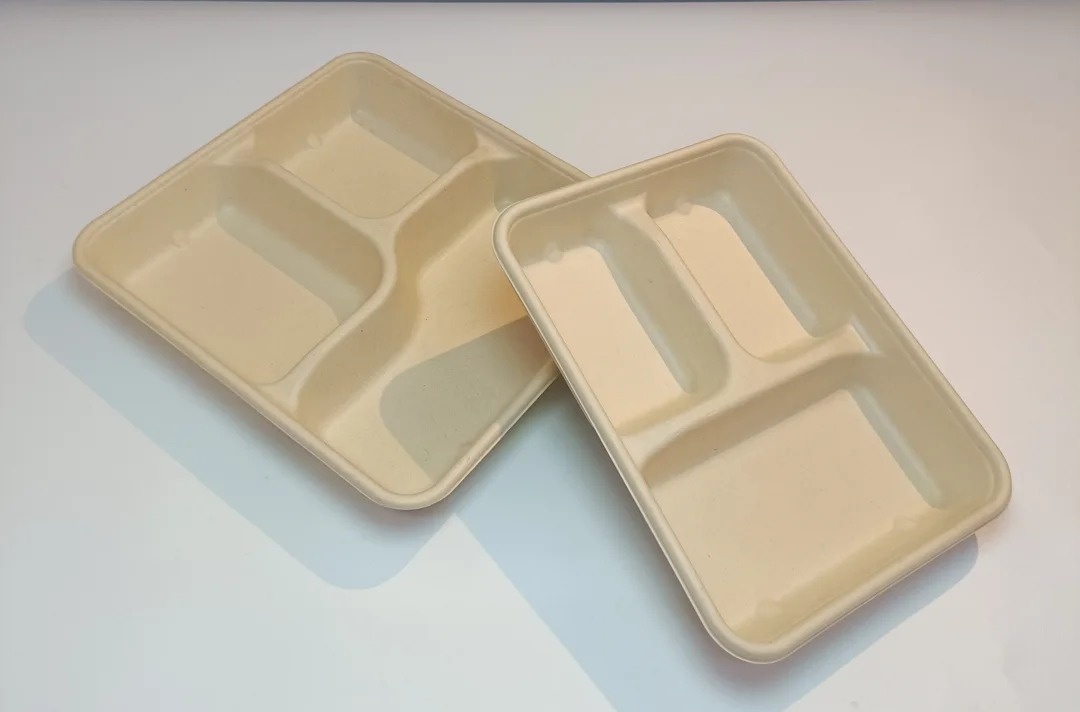
In the fast-paced Western foodservice industry, the selection of disposable containers is no longer just a matter of logistics; it is a strategic decision that impacts brand perception, customer satisfaction, and environmental compliance. From the high-street coffee shop to the high-volume catering hall, the materials we use to serve beverages and condiments are under more scrutiny than ever before. This article explores the essential roles of various containers, from the traditional paper cups used in the morning rush to the innovative cornstarch cups leading the green revolution.
The Beverage Staples: From Tradition to Modernity
For many Western consumers, the day begins with a hot beverage. The choice between a tea cup and a disposable alternative often depends on the setting. While a ceramic tea cup remains the gold standard for in-house dining due to its heat retention and classic aesthetic, the "to-go" culture demands a different solution.
- Paper Cups: These have become the universal symbol of the coffee-on-the-go lifestyle. Modern paper cups are engineered with a thin lining—traditionally PE (polyethylene) or increasingly PLA (polylactic acid)—to prevent the liquid from soaking through the fiber. They offer excellent insulation and a tactile comfort that consumers associate with their daily caffeine ritual.
- Plastic Cups: When it comes to the cold beverage market—smoothies, iced lattes, and sodas—plastic cups remain the dominant choice. Their primary advantage is transparency, allowing the vibrant colors of the drink to serve as a marketing tool. Furthermore, the durability of high-quality plastic cups makes them ideal for outdoor events and festivals where breakage is a safety concern.
The Precision of Condiments: Managing the "Final Mile"
In the booming delivery and takeout sector, the integrity of condiments can make or break a meal. This is where portion control meets high-performance engineering.
- Sauce Cups: Small but mighty, sauce cups are essential for maintaining the crispness of fried foods by keeping dips separate. Whether it is ranch, buffalo sauce, or a specialty vinaigrette, these cups allow for precise portioning, which is critical for a restaurant's bottom line.
- Sauce Cups with Lids: The real hero of the delivery world is the pairing of sauce cups with lids. A leak in a delivery bag is a cardinal sin in the foodservice industry. Western B2B buyers prioritize lids with a "snap-fit" seal that provides audible assurance of closure. These sets ensure that the "final mile" of transport—often on the back of a bike or in a car—does not result in a messy unboxing experience for the customer.
Sustainability is no longer an optional 'extra'; it is a core requirement for modern B2B procurement in the hospitality sector.
The Green Frontier: Bio-Based Innovations
As environmental regulations like the EU’s Single-Use Plastics Directive and various North American bans take effect, the industry is searching for viable alternatives to petroleum-based products.
This shift has brought cornstarch cups into the spotlight. Made from fermented plant starch (typically corn), these bio-polymer containers are designed to be industrially compostable. Unlike traditional plastics, cornstarch cups offer a significantly lower carbon footprint and align with the Environmental, Social, and Governance (ESG) goals of major corporate clients. While they were once a niche product, improvements in heat resistance and clarity have made them a formidable competitor to traditional PET and PP containers.
Conclusion: Finding the Right Mix
The modern cafeteria or restaurant must manage a diverse inventory. A single order might include a hot coffee in a well-insulated paper vessel, a side salad with a dressing in sauce cups with lids, and a cold juice served in either traditional plastic cups or eco-friendly cornstarch cups.
The goal for any procurement manager is to balance the unit cost with the functional requirements of the food. While a porcelain tea cup is for the moment, the strategic use of paper cups, sauce cups, and sustainable innovations ensures that the business remains agile, compliant, and customer-focused in an ever-evolving market.
Would you like me to focus more specifically on the technical certifications (like BPI or EN 13432) for the cornstarch-based products?